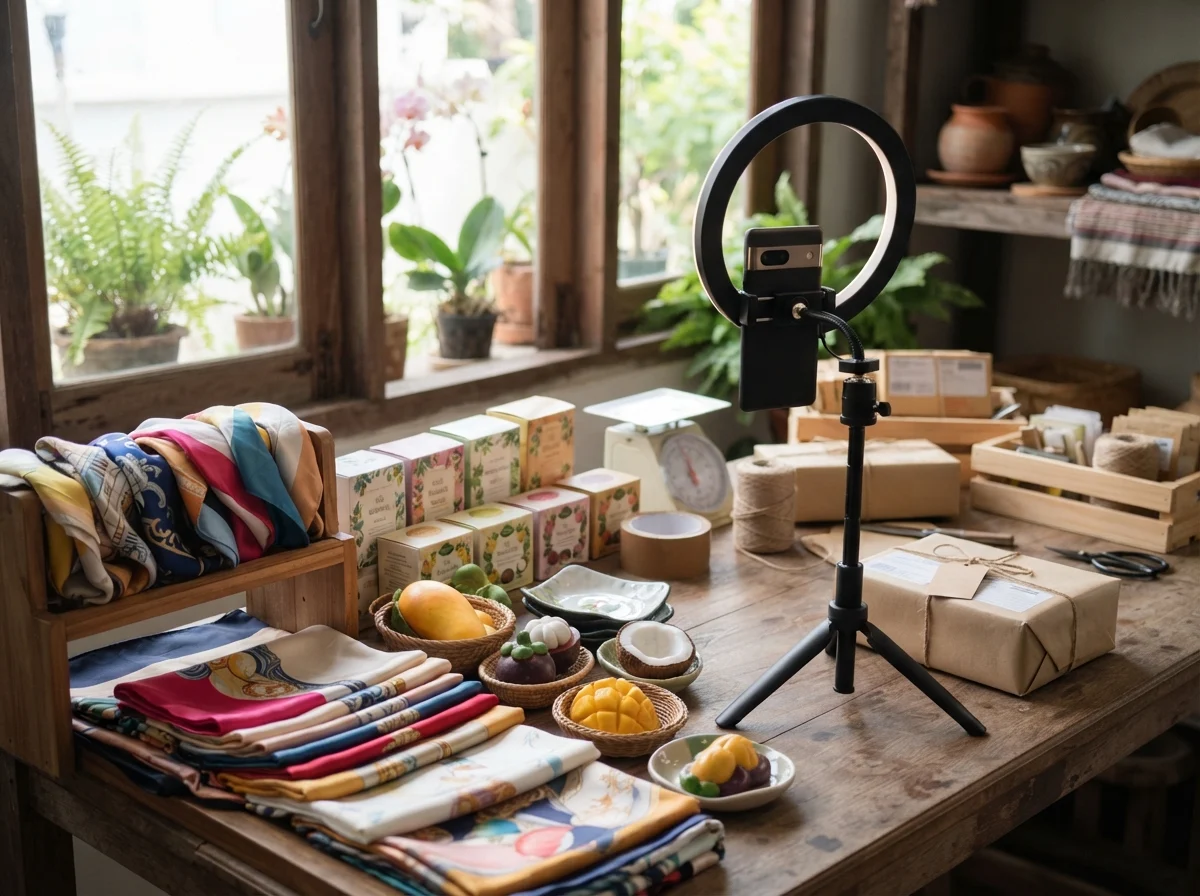
Thailand's small businesses have moved online with remarkable speed. Silk makers, herbal tea producers, skincare brands, fashion shops and street food entrepreneurs now sell through social media pages, live video streams and online marketplaces, and more of them want to reach customers who read English. The challenge is that Thai marketing language works differently from English marketing language. Polite particles, friendly nicknames, emojis and playful spelling create a warm and personal tone, while English readers often expect shorter sentences, clear benefits and plain facts. Skilful Thai English translation for marketing keeps the warmth of the brand but adapts the message to how English speaking buyers read, compare and decide. This article explains what online sellers and agencies should consider when they prepare Thai content for global audiences.
Tone, politeness and personality
Thai uses particles at the end of sentences to show politeness, friendliness and the gender of the speaker. These small words create a personal feeling that is hard to reproduce in English, where a similar effect comes from word choice and rhythm. A brand page that sounds close and caring in Thai can become cold if the translator copies the structure, or silly if the translator adds too many exclamation marks. Define the brand voice in a few words, such as warm, honest and playful, and ask the translator to match it with natural English.
Product pages and descriptions
English shoppers read a product page quickly. They want the name, the main benefit, the ingredients or materials, the size, the price and the delivery information, in that order. Thai descriptions often start with a story or an emotional promise, which can remain in the first lines, but the facts must follow clearly. Companies that need thai english translation for catalogues and online shops should provide ingredient lists, measurements and certificates, so that the translator can use exact terms. Avoid claims that cannot be proved, especially for health and beauty products.
Live selling, captions and short videos
Live streams and short videos are popular in Thai online trade, with a seller talking quickly, answering comments and offering limited deals. For English audiences, prepare a script or a set of key phrases: a greeting, the product name, three benefits, the price, the offer and the way to order. Captions should be short and easy to read on a phone. If a stream is recorded for later, add English subtitles with accurate prices and dates. Check every number twice, because errors in a live offer lead to disputes.
Names, spelling and brand identity
Thai brand names and product names are written in Thai script and need a consistent English form. Several romanisation systems exist, and a name can appear in different spellings across a website, a label and a social media page. Choose one form, register it in a style sheet and use it everywhere, including the packaging and the invoice. Our article on English to Romanian translation explains how a style sheet and a glossary protect consistency when a brand speaks in several languages.
Reviews, customer service and trust
English buyers read reviews and expect prompt, polite answers. Prepare short replies for common questions about delivery time, returns, sizes and payment, and have them reviewed by a fluent English reader. When a customer complains, thank them, explain the facts and offer a solution in simple language. Do not copy the long polite phrases that are normal in Thai customer messages, because they can sound distant in English. A calm, specific reply builds more trust than a long apology.
Shipping, payment and legal terms
International customers need clear rules: where the shop ships, how long delivery takes, who pays customs fees, what the return policy is and which payment methods are accepted. These texts have legal weight and should be precise. Currency should be shown in a form that buyers understand, with the baht and the converted amount if possible, and the date of the conversion if rates change. Terms and privacy notices should be reviewed by a qualified person before they are published on the website.
Measuring results and improving the message
After launching English content, track which pages attract visits, which posts earn replies and which questions customers ask again and again. Use this information to improve titles, descriptions and answers. Keep a master file of approved product names, slogans and phrases, and share it with everyone who writes for the brand, including freelancers and agencies. A clear and friendly voice, repeated with care, helps a small Thai business grow from a local favourite into a name that buyers around the world remember.
Packaging, labels and unboxing
The moment a parcel arrives is part of the brand experience. Inserts, thank you cards and care instructions should be written in clear English, with the same names and spellings used on the website. Labels on food, cosmetics and herbal products must follow the rules of the destination country, including ingredients, weight, expiry date and the name of the producer. Ask a reviewer to check every line before printing, because a corrected label costs far less than a returned shipment. A short card that explains how to use the product and how to reach customer service in English turns a first order into a lasting relationship.
Where to read more
For a neutral overview of the language and its writing system, see the Wikipedia article on the Thai language, which describes its tones, script and history.